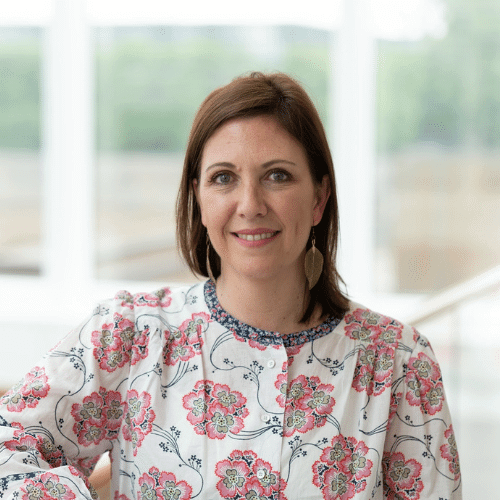

Catherine is an HCPC-registered Practitioner Psychologist and Chartered Psychologist providing private psychological therapy in London and online for adults, children and young people.
She has particular experience working with anxiety, depression, self-esteem, relationship and interpersonal difficulties, and significant life changes and periods of adjustment.
People come to therapy for many different reasons. You may be struggling with anxiety or depression, finding yourself caught in the same patterns in relationships, experiencing low self-esteem or fear of judgement, or going through a period of change that has left you feeling anxious, overwhelmed or unsure of yourself.
You don't need to know exactly what's wrong or what type of therapy you need before getting in touch. Sometimes you may simply know that something doesn't feel right or that you want something in your life to change.
Catherine provides a warm, non-judgemental and collaborative space where you can talk openly, while also helping you develop a clearer understanding of what you are experiencing, what may be contributing to it and what could help things change.
← Back to the teamCatherine works with a broad range of psychological and emotional difficulties, including:
Anxiety is a significant area of Catherine's clinical work and can take many different forms.
Catherine works with a broad range of anxiety difficulties, including generalised anxiety, social anxiety, health anxiety, panic, persistent worry, overthinking, fear of judgement and difficulties coping with uncertainty.
You may find yourself avoiding situations, repeatedly seeking reassurance, worrying about what other people think of you, struggling to make decisions, or feeling increasingly anxious when circumstances or relationships change.
Rather than focusing only on reducing symptoms, Catherine works collaboratively with clients to understand why anxiety may have developed, what might be keeping it going and what could help things change.
Catherine also provides psychological therapy for children and young people, including support with anxiety around school, friendships, confidence, fear of judgement, new situations and periods of adjustment.
Anxiety →Depression is a particular clinical and research interest for Catherine.
Her doctoral research explored people's lived experiences of existential therapy for depression, and she has undertaken further specialist training in psychological therapies for depression, including Interpersonal Psychotherapy (IPT) and Person-Centred Experiential Counselling for Depression (PCE-CfD).
Catherine can also draw upon Cognitive Behavioural Therapy (CBT) and existential approaches when working with depression, depending on the individual and what may be contributing to their difficulties.
Depression does not always exist in isolation. Low mood can be connected to relationships, loss, significant changes in life, self-esteem, previous experiences, patterns of thinking and behaviour, identity, meaning and a person's sense of direction.
Therapy therefore involves understanding your individual experience of depression and developing an approach that makes sense for you.
Depression →Our emotional wellbeing is often closely connected to what is happening in our relationships and wider lives.
Catherine works with people experiencing relationship difficulties, recurring interpersonal patterns, low self-esteem, low confidence, fear of judgement, difficulties with boundaries, uncertainty about relationships or decisions, and challenges adjusting to changes in their lives.
Periods of transition can be particularly challenging. Changes in relationships, careers, family life, identity or life stage can leave someone feeling anxious, lost, stuck or unsure of the direction they want their life to take, even when there isn't necessarily something obviously “wrong”.
Psychological therapy can provide a space to understand these experiences more deeply, recognise patterns and consider what you would like your life and relationships to look like going forward.
Relationships →Catherine works integratively, meaning she does not expect every person or psychological difficulty to fit one particular model of therapy.
Depending on what you need, she may draw upon:
The existential aspect of Catherine's work can be particularly valuable during periods of transition or uncertainty. Sometimes there isn't simply a symptom to “fix”. You may be questioning a relationship, career, identity, life stage or the direction your life is taking.
For other people, a more focused and structured psychological approach is appropriate.
Catherine works collaboratively with each client to develop an understanding of why a difficulty may have developed, what may be keeping it going and what might need to change, rather than deciding on an approach before understanding the individual.
The first sessions provide an opportunity to understand what has brought you to therapy, how the difficulty is affecting you and what you would like to be different. Together, you can begin developing an understanding of what may be contributing to the difficulty and what could help things change.
Catherine will ask questions to understand your experience, but therapy is not simply an assessment. She wants clients to feel heard and understood, and will share her thoughts so that you can develop an understanding together of what may be contributing to the difficulty and what could be helpful.
Some people benefit from focused, shorter-term psychological therapy, while others want to explore longstanding experiences or patterns in greater depth. The direction of therapy is decided collaboratively according to your individual needs and goals.
Catherine's experience spans NHS and private psychological services, including outpatient psychological services and specialist inpatient settings. She has supported people experiencing difficulties ranging from anxiety and depression to trauma, self-harm and more complex psychological difficulties.
Her qualifications and specialist training include:
Catherine continues to undertake professional development across psychological therapies and different areas of psychological difficulty.
Catherine offers clinical supervision to counsellors, psychotherapists, psychologists and practitioners in training, subject to the requirements of their training course, workplace or professional body.
Her approach to supervision is warm, collaborative and reflective. She aims to provide a space where practitioners can think openly about their work, including cases where they may feel stuck, uncertain or challenged, while developing their clinical thinking, confidence and individual therapeutic practice.
As an integrative psychologist, Catherine can support supervisees to think about case formulation, therapeutic relationships and dynamics, complex presentations, boundaries, endings, risk and ethical dilemmas, integrative practice and professional development. Her own clinical practice draws upon CBT, interpersonal, psychodynamic, person-centred and existential approaches.
Catherine particularly enjoys working with practitioners who want supervision to be more than case management and are interested in developing their clinical thinking, confidence and identity as a therapist.
Catherine's doctoral research explored the lived experience of existential therapy for depression, reflecting her longstanding clinical and research interest in understanding and treating depression.
One-to-one psychological therapy for adults, online or in person, tailored to your individual difficulties, experiences and goals.
Adults therapy →Psychological assessments and reports for adults, children and young people, tailored to the individual circumstances and purpose of the assessment.
Find out more →Individual and group supervision for mental health professionals, bookable directly.
Supervision →Book an initial consultation and we will help you find the clinician and approach best suited to you.
Occasional reflections and resources on wellbeing, straight to your inbox.